Airport hub guide
Guangzhou Baiyun CAN: the complete layover guide
Three terminals since October 2025, a free 24 hour shuttle between them, wifi that wants to see your passport, and one of the most generous transit visa policies in Asia. Here is how to work a Baiyun layover.
Layover verdict Good for 4 to 10 hour layovers, with a 24 hour Priority Pass lounge in T2 and a metro that puts you in central Guangzhou in about half an hour. Overnights are survivable but not comfortable.
Best lounge play The Premium Lounge in T2 international departures runs around the clock and takes Priority Pass. Star Alliance Gold flyers departing T3 get the new Star Alliance lounge that opened in May 2026, complete with an outdoor garden.
The one thing to know Airlines are still moving into Terminal 3 in phases through 2026. Check which terminal both of your flights use before you land, because a terminal change here is a landside bus ride, not a corridor.
Last reviewed 10 May 2026
Quick facts
Baiyun at a glance
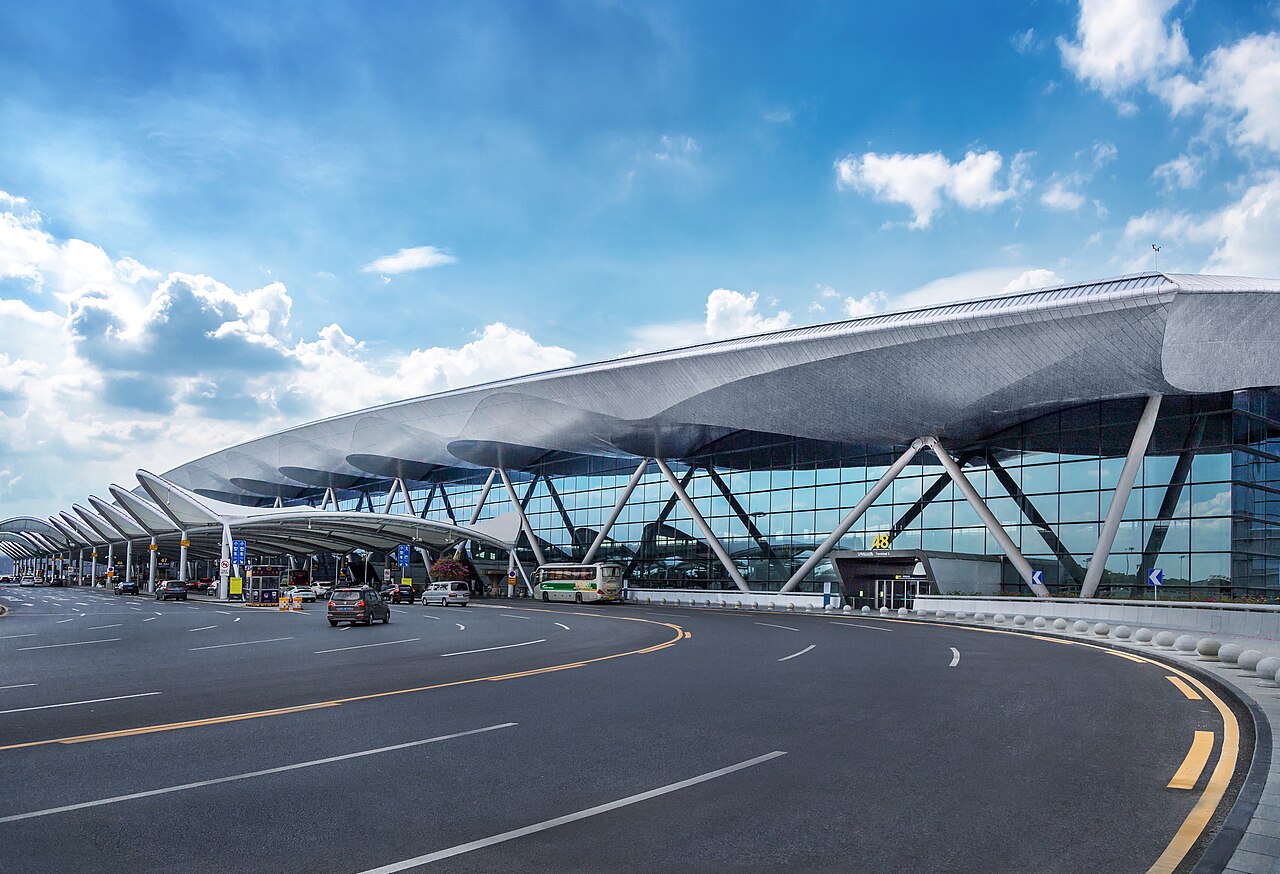
| Terminals | 3 (T1, T2, and T3, which opened on 30 October 2025) |
| Airside transit between terminals | No. Terminal changes are landside on the free 24 hour shuttle bus, every 10 to 30 minutes depending on the hour; intercity trains also link the terminals |
| Free wifi | Yes, on the official airport network; foreign passport holders get access codes from kiosk machines that scan a passport or boarding pass, with reauthentication every few hours |
| Sleep friendliness | Fair. No dedicated free rest zones; paid hourly rest lounges operate inside the terminals and the Pullman hotel connects to T1 by covered walkway |
| Lounge count | More than 10 across the three terminals, most of them China Southern operations, plus pay in and Priority Pass options |
| Nearest in terminal hotel | Pullman Guangzhou Baiyun Airport, linked to the T1 departures hall by covered walkway, with day rooms of up to 6 hours |
Orientation
How Baiyun is laid out
Baiyun grew in three big pushes: T1 opened in 2004, T2 arrived in 2018 as the China Southern flagship, and T3 opened in October 2025 across the field with its own transport center. They are three separate buildings, and moving between them means going landside.
T2 is the one most international travelers will see. It is China Southern territory and the home of most international departures, which is why the around the clock Priority Pass lounge and the airline flagship lounges sit there. T1, the original terminal, keeps a mix of other domestic carriers including Hainan Airlines. T3 launched with the China Eastern group, Juneyao Air, and several other domestic airlines, and more carriers are scheduled to shift across in phases through 2026. The practical consequence is simple: do not assume your airline flies from the same terminal it used last year. Check both flights before you travel.
Terminal changes run on a free 24 hour shuttle bus that stops at Gate 12 of T1, Gate 42 of T2, and Gate 62 of T3. Frequency moves between every 10 and every 30 minutes depending on the time of day, with the thinnest service in the small hours. Intercity trains also connect the terminals, running about every 17 minutes. Either way, you exit the secure area, ride, and clear security again at the next building, so treat any terminal change as a 60 to 90 minute job once queues are counted.
Wifi deserves its own paragraph because it catches people out. The free airport network works fine, but it asks you to authenticate, and the easy paths assume a Chinese phone number or WeChat. Foreign travelers should head for the access code kiosks scattered through the terminals, which print a code after scanning your passport or boarding pass. Sessions expire after a few hours, so expect to repeat the ritual on a long layover. Bring the passport to the kiosk, not just a photo of it.
Getting downtown is genuinely easy from T1 and T2. Metro Line 3 stops under both, at Airport South for T1 and Airport North for T2, and reaches the Tianhe business district around Tiyu Xilu in roughly 30 minutes for a few yuan. Trains run from about 6 in the morning until around 11 at night. From T3 there is no direct metro stop yet; you either ride the terminal shuttle, take the connector bus to Gaozeng station on Line 3, which runs every 15 minutes, or use the intercity railway from Baiyun Airport East station, which links directly into the T3 transport center.
Two more things smooth a Guangzhou layover. First, payments: much of the city runs on Alipay and WeChat Pay, so set one of them up with your foreign card before you fly. Second, the 240 hour visa free transit policy covers eligible passport holders from 55 countries arriving at CAN with a confirmed onward ticket to a third country or region. That is up to 10 days in the region without a visa. Rules and eligible nationalities change, so verify before travel.
Terminal by terminal
What each terminal gives you
Terminal 1
The 2004 original, and it feels its age in places, though it remains perfectly workable. T1 now handles a slice of domestic traffic including Hainan Airlines, and its Priority Pass lounge sits airside near Gate A18, open roughly 6:30 in the morning to 10 at night. The terminal has one quiet advantage for tired travelers: the Pullman Guangzhou Baiyun Airport connects to the departures hall by covered walkway near Gate 12, and it sells day rooms of up to 6 hours during daytime hours. If your layover at Baiyun is long and you want a real bed without leaving the airport perimeter, this is the move.
Terminal 2
The big one. T2 opened in 2018 as the China Southern hub and carries most of the international schedule, which makes it the terminal where layover infrastructure actually lives. The Premium Lounge in international departures runs 24 hours and accepts Priority Pass, with a 2 hour stay limit and luggage storage. There is also a Priority Pass dining option near Gate 239 that credits 100 yuan toward a Cantonese meal, open until about 10 at night. China Southern operates its own first and business class lounges here for premium cabins and SkyTeam elites on partner carriers. Food landside and airside is broad by Chinese airport standards, and the building is bright and easy to navigate. If you can choose where to spend 6 hours at Baiyun, choose T2.
Terminal 3
The new statement building, open since 30 October 2025, with more than 422,000 square meters of floor, biometric boarding, and China's first open air airport observation deck. The China Eastern group, Juneyao Air, and several other domestic carriers moved in first, with more airlines following in phases. The headline for premium travelers is the Star Alliance lounge that opened in May 2026: about 1,400 square meters, around 245 seats, a 700 square meter outdoor garden, sleep pods, and 24 hour operation for first and business class passengers and Star Alliance Gold members departing T3. The terminal connects to the intercity railway at Baiyun Airport East, but has no direct metro stop yet, so build in extra time if you arrive by Line 3.
Your layover, planned
The CAN guides
Guangzhou layover guide, hour by hour
What 4, 6 and 10 hours actually buy you at Baiyun, and when a metro run into Tianhe or old Guangzhou is realistic. With 6 hours and the visa box ticked, it usually is.
Every CAN lounge and how to get in
The full lounge picture for all three terminals: China Southern lounges, the 24 hour Premium Lounge, the new Star Alliance lounge in T3, with access methods and hours.
Check lounge access for CAN
More than 10 lounges operate across Baiyun's three terminals and several accept Priority Pass or sell entry at the door. Compare current access options, prices and hours before you fly.
Check lounge accessSome links may earn us a commission at no cost to you.
FAQ
Guangzhou Baiyun layover questions
Can I sleep overnight at Guangzhou Baiyun airport?
Staying overnight in the terminals is tolerated, but there are no dedicated free rest zones and much of the seating has fixed armrests. The realistic options are a paid hourly rest lounge inside the terminals or the Pullman hotel connected to T1 by covered walkway, which also sells day rooms of up to 6 hours.
How do I transfer between terminals at CAN?
Take the free 24 hour shuttle bus, which stops at Gate 12 of T1, Gate 42 of T2, and Gate 62 of T3 and runs every 10 to 30 minutes depending on the hour. Intercity trains also link the terminals about every 17 minutes. All transfers are landside, so budget 60 to 90 minutes including the new security screening.
Is wifi free at Guangzhou Baiyun airport?
Yes, on the official airport network. Foreign travelers without a Chinese phone number should use the access code kiosks in the terminals, which issue a code after scanning your passport or boarding pass. Sessions expire after a few hours, so you may need to reauthenticate on a long layover.
Do I need a visa for a layover in Guangzhou?
Not necessarily. CAN is a designated port for China's 240 hour visa free transit, which lets eligible passport holders from 55 countries stay up to 10 days with a confirmed onward ticket to a third country or region. Direct airside transit within 24 hours is also visa free for most nationalities. Rules change, so verify before travel.
How do I get from Guangzhou airport to the city?
Metro Line 3 runs from Airport South (T1) and Airport North (T2) to the Tianhe district in about 30 minutes for a few yuan, roughly from 6 in the morning to 11 at night. From T3, take the shuttle to Gaozeng station on Line 3 or the intercity railway from Baiyun Airport East. Taxis and ride hailing take 45 minutes or more depending on traffic.
Which terminal is China Southern at Guangzhou?
China Southern operates mainly from T2, which it has anchored since the terminal opened in 2018. T1 handles other domestic carriers including Hainan Airlines, while T3 hosts the China Eastern group and a growing list of airlines moving across through 2026. Check your booking on the day.
Nearby
Related airports
Shenzhen Bao'an (SZX)
The other Pearl River Delta giant, about 60 miles south. Mostly domestic with a growing international schedule, and a completely separate journey from CAN.
Hong Kong (HKG)
The region's premier international hub, reachable from Guangzhou by high speed rail. Different immigration regime, different currency, deeper lounge bench.
Shanghai Pudong (PVG)
The other mainland mega hub, far to the north. A common alternative connection point on long haul itineraries into China.
Join Gate Notes
Lounge offers and the layover intel you need at 2am, in your inbox before you fly. Free.
No spam. Unsubscribe any time.