Layover guide
Layover in Tokyo Narita NRT: what to do hour by hour
Narita is calm, clean and easy to read by day, then it effectively shuts down at night. Here is what 3, 5 and 8 hours actually buy you, and why the temple beats Tokyo on a short window.
Layover verdict A pleasant daytime layover airport with good food, cheap showers and a real capsule hotel. The catch is the night: flights stop around midnight under the runway curfew and the airside areas close until early morning.
Best lounge play Priority Pass opens the IASS Superior Lounge NOA in Terminal 1 and the KoCoo lounge in Terminal 2, and the nine hours capsule hotel in Terminal 2 sells naps and showers to anyone.
The one thing to know NRT is not a 24 hour airport. The airside transit areas close from around midnight to 5 am, so a late arrival with a morning connection usually means clearing immigration and waiting landside.
Last reviewed 11 May 2026
First, orient yourself
The 10 minute version of NRT
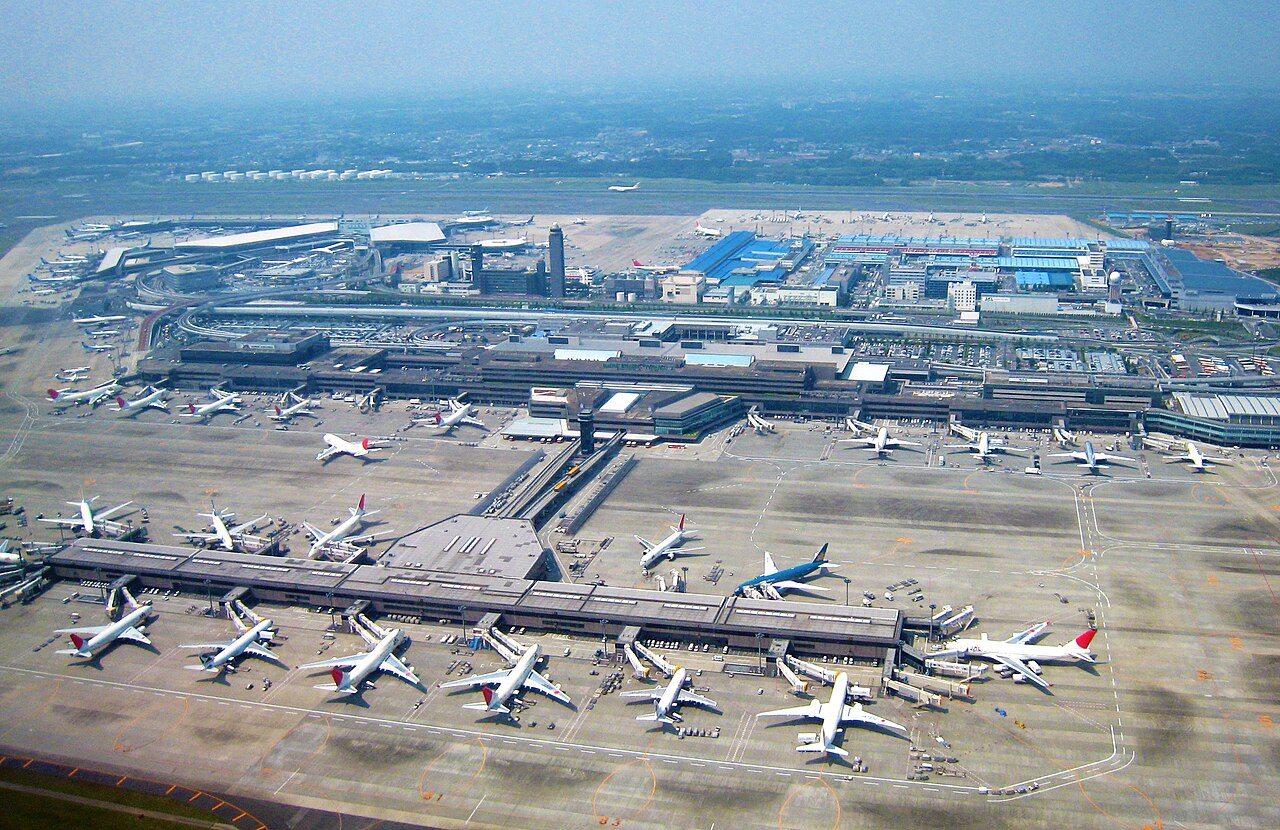
Narita spreads across three terminals strung along the rail line. Terminal 1 handles ANA, most Star Alliance carriers and ZIPAIR, Terminal 2 belongs to JAL and its oneworld partners, and Terminal 3 is the budget building for Jetstar Japan, Spring Japan and friends.
A free shuttle bus links everything, running every 5 to 6 minutes from about 5 am to 11 pm. Terminal 1 to Terminal 3 takes around 14 minutes, Terminal 1 to Terminal 2 about 8 to 12, and Terminals 2 and 3 are a 3 minute ride or a 15 minute walk apart. Terminal 3 has no train station of its own; rail passengers use Airport Terminal 2 station.
Free wifi covers all three terminals and the shuttle buses; connect to the network named FreeWiFi NARITA. Power outlets are common airside, and both Terminals 1 and 2 have paid day rooms and shower suites after passport control.
Connections are straightforward on one ticket: 90 minutes within a single terminal is comfortable, a terminal change pushes that toward 2 hours, and separate tickets mean immigration, baggage claim and a fresh check in, so treat 3 hours as the floor. The quirk to respect is the clock. Departures stop around midnight under the runway curfew, and security reopens in the early morning, typically around 4:30 to 5 am depending on terminal.
Hour by hour
What your layover actually buys you
3 hours: stay airside and spend nothing if you can
After deplaning, walking to transit security and rescreening, 3 hours leaves you about 90 minutes of usable time. Do not waste it changing terminals. Start with a perk most people miss: Narita has offered international transit passengers free use of the IASS Executive Lounges plus half price showers, on presentation of your onward boarding pass. Ask at the lounge counter whether it still runs.
The airside shower suites in Terminals 1 and 2 charge 1,050 yen for 30 minutes, towels included, and the food in both main terminals beats airport average by a wide margin. Sit down ramen or sushi beats most lounges here. Priority Pass holders get the IASS Superior Lounge NOA near Gate 26 in Terminal 1 and the Superior Lounge KoCoo in Terminal 2; the KAL Lounge has been restricted to Korean Air passengers, so do not route a visit through it.
5 hours: a real rest, or the smartest city escape in Japan
Staying airside, 5 hours splits well into a meal, a shower and a nap. The day rooms in Terminals 1 and 2 rent from 1,560 yen per hour for a single with its own shower. Landside, the nine hours capsule hotel in Terminal 2 sells a daytime nap from about 1,500 yen and a shower for about 1,000.
But if your passport gets visa free entry to Japan, consider going out. Narita town is the most underrated layover escape in Asia. A local JR or Keisei train reaches Narita station in 10 to 15 minutes for around 250 to 270 yen, and the Omotesando shopping street winds 15 to 20 minutes past unagi restaurants and craft shops to Naritasan Shinshoji, a thousand year old temple complex with proper gardens. Door to door, immigration included, the loop fits inside 4 hours. Grilled eel on a layover is a story; a sandwich at the gate is not.
8 hours: Tokyo becomes honest
Tokyo sits about 60 km away, which is the whole problem with NRT. With 8 hours the math finally works. Budget up to an hour for immigration at peak, then take the Keisei Skyliner: 36 minutes to Nippori or 41 to Ueno, 2,580 yen at the counter or 2,310 booked online in advance. Be back at the airport 2.5 hours before an international departure and you keep roughly 3 hours in the city.
Spend them on the Ueno side, where the train puts you: Ueno Park, the Ameyoko market street, or a quick ride to Asakusa for Sensoji. Do not attempt Shibuya or Shinjuku on this window; the cross town transfer eats your margin in both directions. The Narita Express serves Tokyo Station in about an hour from 3,070 yen and suits the western side of the city better, but on a tight clock the Skyliner wins. Set an alarm for the trip back, not the boarding call.
Overnight: the part Narita is bad at
Here is the honest version. Because the airside transit areas close from around midnight to 5 am, you cannot simply camp at your gate the way you can in Doha or Dubai. A late night arrival with a morning departure normally means passing immigration and spending the night landside, which makes passport eligibility the first thing to check. If your passport cannot enter Japan, confirm the routing with your airline before you book it.
Once landside, the best bed in the building is nine hours, the capsule hotel on basement level 1 of Terminal 2, open around the clock with overnight stays from roughly 5,000 yen. It fills on disruption nights, so book early. The free alternative is a bench in the public areas, safe but bright and chilly. The NRT sleeping guide maps every paid and free option terminal by terminal.
City escape
Leaving the airport: the honest math
| Is leaving realistic | Narita town and Naritasan temple from about 5 hours; Tokyo from 7 to 8 hours |
| Visa | Visa free entry for citizens of about 70 countries and regions; everyone else needs a visa arranged before travel. Verify your status before you fly |
| Minutes to city center | 36 to Nippori and 41 to Ueno on the Keisei Skyliner; about an hour to Tokyo Station on the Narita Express |
| Train fares | Skyliner 2,580 yen at the counter, 2,310 online in advance; Narita Express from 3,070 yen |
| Minimum safe layover to go out | 5 hours for Narita town, 7 to 8 hours for Tokyo, international to international |
| Be back at security | 2 hours before departure, more in the evening peak; no trains run overnight |
The trap at NRT is treating Tokyo as the default. On anything under 7 hours the city is a stressful blur bracketed by two train rides, while Naritasan delivers temple gardens, an old shopping street and an eel lunch two stops from your gate. Take the closer prize, and remember the last evening trains back from Tokyo leave earlier than tired travelers expect.
Check lounge access for NRT
Between the IASS lounges in Terminals 1 and 2, the airline flagships from ANA and JAL, the paid day rooms and the nine hours capsule hotel, NRT has more rest options than first appears. Compare current access methods, prices and hours before you fly.
Check lounge accessSome links may earn us a commission at no cost to you.
FAQ
NRT layover questions
Is Narita airport open 24 hours?
Effectively no. Flights stop around midnight under the runway curfew, the airside transit areas close from around midnight to 5 am, and security reopens in the early morning, typically around 4:30 to 5 am depending on terminal. Some landside public areas stay accessible overnight.
Can I sleep overnight at Narita airport?
Landside, yes. The best option is the nine hours capsule hotel in Terminal 2, open around the clock with overnight stays from roughly 5,000 yen, naps from about 1,500 and showers for about 1,000. Free benches exist in the public areas but the lights stay on, so book the capsule early.
Can I leave Narita airport during a layover?
If your passport qualifies for visa free entry to Japan, yes. Narita town and the Naritasan Shinshoji temple are 10 to 15 minutes away by local train and work from about 5 hours; Tokyo needs 7 to 8 hours to be worth the round trip.
How far is Tokyo from Narita airport?
About 60 km. The Keisei Skyliner reaches Nippori in 36 minutes and Ueno in 41 for 2,580 yen, or 2,310 booked online in advance. The Narita Express takes about an hour to Tokyo Station from 3,070 yen and also serves Shinjuku and Shibuya directly.
Are there showers at Narita airport?
Yes. Airside shower suites in Terminals 1 and 2 charge 1,050 yen for the first 30 minutes, and paid day rooms with private showers rent from 1,560 yen per hour. International transit passengers have been offered half price showers and free IASS Executive Lounge entry; confirm at the counter.
Is wifi free at Narita airport?
Yes. Free wifi covers all three terminals and even the shuttle buses between them, with no payment required. Look for the network named FreeWiFi NARITA and accept the terms to connect.
Nearby
Related airports
Tokyo Haneda (HND)
Tokyo's other airport, far closer to the city center and a genuinely 24 hour operation.
Osaka Kansai (KIX)
The western Japan gateway on an artificial island in Osaka Bay, a common alternative entry point.
Sapporo New Chitose (CTS)
Hokkaido's main hub, linked to NRT by some of the busiest domestic routes in the world.
Join Gate Notes
Lounge offers and the layover intel you need at 2am, in your inbox before you fly. Free.
No spam. Unsubscribe any time.