Airport hub · KUL · Last reviewed 4 June 2026
Kuala Lumpur International (KUL): The Complete Layover Guide
Malaysia's main hub is cheap, open all night and genuinely sleepable, but its two terminals behave like two different airports.
- Layover verdict
- One of the easiest big hubs in Asia for a long layover, with cheap food, 24 hour lounges and real beds airside; short connections that cross terminals are the weak point.
- Best lounge option
- Plaza Premium in Terminal 1, near Gate G at the Contact Pier, runs 24 hours and takes Priority Pass; Malaysia Airlines and oneworld premium flyers get the Golden Lounge instead.
- The one thing to know
- Terminal 1 and Terminal 2 are not connected airside, so a transfer between them means immigration, a landside hop and a fresh security screening.
Quick facts
Kuala Lumpur International at a glance
| Terminals | Two. Terminal 1, the main building plus Satellite A, and Terminal 2, the former klia2 |
|---|---|
| Airside transit between terminals | No. The terminals are separate airside; transfer landside by train (3 minutes, RM2) or the free shuttle bus |
| Free wifi | Yes, in both terminals; sessions time out and need a fresh login |
| Sleep friendliness | Good. Airside transit hotels in both terminals, capsule beds at Terminal 2, and Terminal 1 is the quieter free option |
| Lounge count | Priority Pass alone lists 15 entries across both terminals; full independent count to be confirmed |
| Nearest in terminal hotel | Sama Sama Express airside in Terminal 1 Satellite A and in Terminal 2; Sama Sama Hotel landside via skybridge from Terminal 1 |
Orientation
How KUL is laid out and where your layover time actually goes
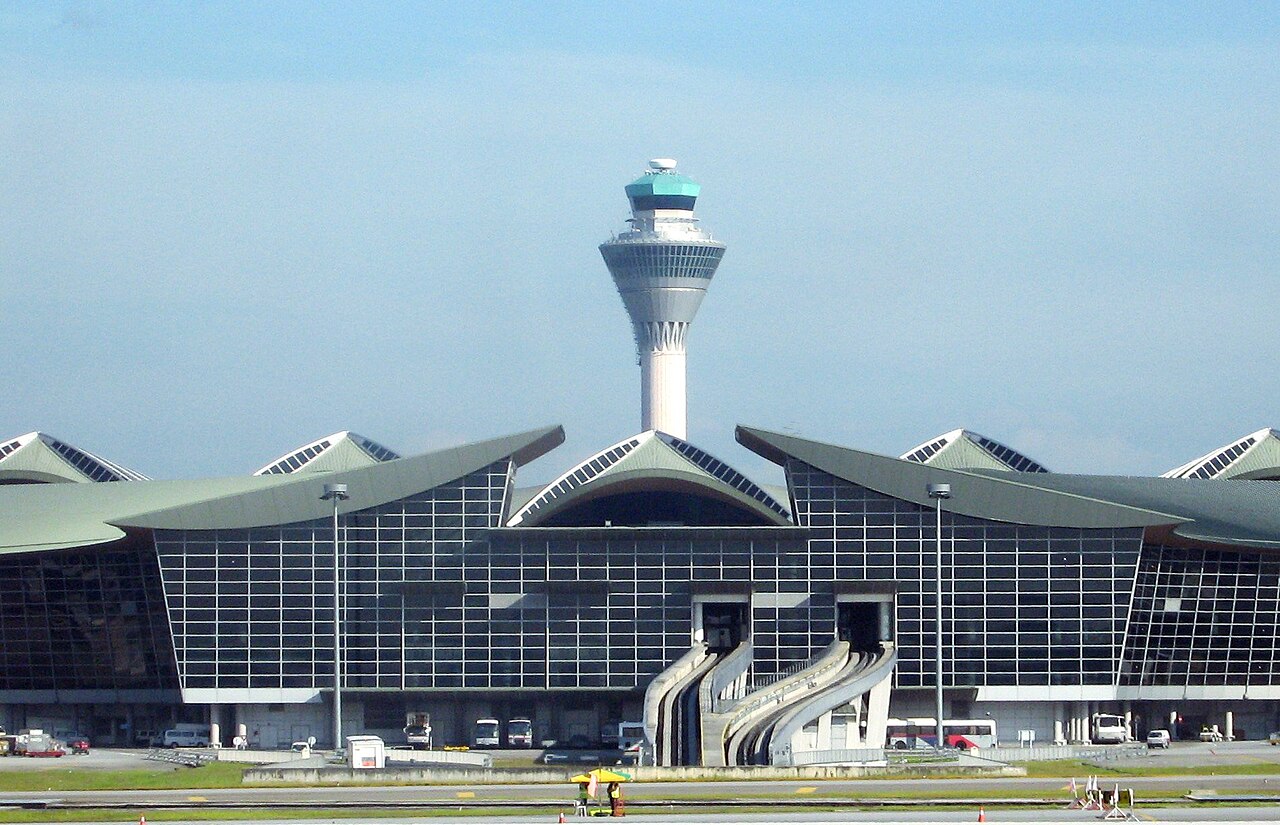
KUL is really two airports wearing one name. Terminal 1 is the 1998 original, home to Malaysia Airlines, the oneworld carriers and most full service airlines. Terminal 2, which everyone still calls klia2, opened as the low cost terminal and handles AirAsia and the other budget operators. The two sit a few minutes apart by train and about ten by bus, but they share nothing airside. No connecting corridor, no airside train, nothing. If your itinerary changes terminals, you are leaving the secure zone, full stop.
Terminal 1 itself splits in two. The main building holds check in, domestic flights and the contact pier, while most international flights board at the C gates in Satellite A, a separate building reached by the Aerotrain. That train has a history. It was suspended in March 2023 after a breakdown, and for more than two years passengers rode buses across the apron instead. New Alstom trains entered service on 1 July 2025 after a RM456 million upgrade, cutting the crossing to under 3 minutes. The first year back was bumpy, with disruptions and scheduled nightly shutdowns for inspection through late 2025, and Malaysia's transport ministry said full 24 hour running should return by the end of May 2026. When the train pauses overnight, shuttle buses cover the gap, so the satellite is always reachable, just slower.
Moving between Terminal 1 and Terminal 2 is simple but strictly landside. The KLIA Ekspres and KLIA Transit trains link the two stations in 3 minutes for RM2, the cheapest ride either train makes. The free shuttle bus takes about 10 minutes and runs around the clock at roughly 10 minute intervals, leaving from Door 4 on Level 1 at Terminal 1 and from Bay A10 in the Transportation Hub at gateway@klia2. Whichever you pick, a terminal swap means clearing immigration on arrival, making the hop, then queueing for security again before the next flight. Ninety minutes is tight. Two and a half hours feels civilised.
Immigration itself has improved a lot. Malaysia requires every foreign visitor to file the Malaysia Digital Arrival Card online within three days before arrival, and autogates at both terminals now accept travellers from more than 60 countries. The catch is that your first ever entry must go through a manual counter so officers can enrol your biometrics; only later visits get the fast lane. So budget for a slow first visit and a quick second one, and remember that visa free entry is never guaranteed entry. Verify before travel.
The airport never closes. Both terminals operate around the clock, the shuttle between them keeps rolling all night, and the Plaza Premium lounges in Terminal 1 and Terminal 2 run 24 hours, which makes them the most reliable late night refuge for food and a shower. Most shops and many restaurants wind down in the late evening, exact hours to be confirmed, so eat before midnight if you are fussy. Overnighters consistently rate Terminal 1 as the calmer place to stretch out. Terminal 2 is brighter, busier and built around a shopping mall, which is great at 3 pm and grim at 3 am.
Two things surprise people. First, the city is genuinely reachable: the KLIA Ekspres reaches KL Sentral in 28 minutes for RM55 one way, departing every 20 minutes, which puts central Kuala Lumpur in play on any layover of 7 hours or more. Second, the airside sleep options are real hotels, not loungers: Sama Sama Express sells rooms in blocks starting at 6 hours inside both terminals, though you cannot retrieve checked luggage during a stay. One thing not to chase: the Cathay Pacific lounge in the satellite closed permanently in early 2023, whatever old reviews tell you.
Plan the hours
Your KUL layover, piece by piece
The hub page gives you the shape of the airport; these five guides turn the hours you have into decisions you can act on.
FAQ
Kuala Lumpur International layover questions
Can you sleep at KUL overnight?
Yes. The airport operates around the clock, and both terminals have beds airside: Sama Sama Express transit hotels in Terminal 1 Satellite A and in Terminal 2, sold in blocks starting at 6 hours, plus CapsuleTransit capsules at Terminal 2. Free sleepers generally rate Terminal 1 as the quieter, more comfortable terminal.
How long does the transfer between Terminal 1 and Terminal 2 take?
The train takes 3 minutes and costs RM2, while the free shuttle bus takes about 10 minutes and runs around the clock at roughly 10 minute intervals. Both are landside, so add time for security screening, and for immigration if you arrived on an international flight.
Do you need a visa for a KUL layover?
Most nationalities do not. Citizens of the US, UK, EU member states, Australia, Japan and Canada currently get 90 days visa free, and China and India get 30 days. Everyone must submit the Malaysia Digital Arrival Card before landing, and rules change, so verify before travel.
Which KUL lounges take Priority Pass?
Priority Pass lists 15 entries at KUL, including the Plaza Premium lounges in both terminals, the Travel Club lounges, the Sky Suite lounge in the Terminal 1 satellite and a CapsuleTransit sleep lounge. The two Plaza Premium locations run 24 hours.
Is 2 hours enough to connect at KUL?
On one ticket within the same terminal, yes, 2 hours is comfortable. If you change terminals, or travel on separate tickets and need to clear immigration, collect bags and check in again, treat 2 hours as the bare minimum and aim for 3.
Check lounge access at KUL
Lounge access at KUL is cheaper and easier than at most major hubs, and several doors open with a Priority Pass or a walk in fee. Our directory lists every lounge in both terminals with current entry rules.
Some links may earn us a commission at no cost to you.
Nearby
Related airports
Join Gate Notes
Lounge offers and the layover intel you need at 2am, in your inbox before you fly. Free.
No spam. Unsubscribe any time.